
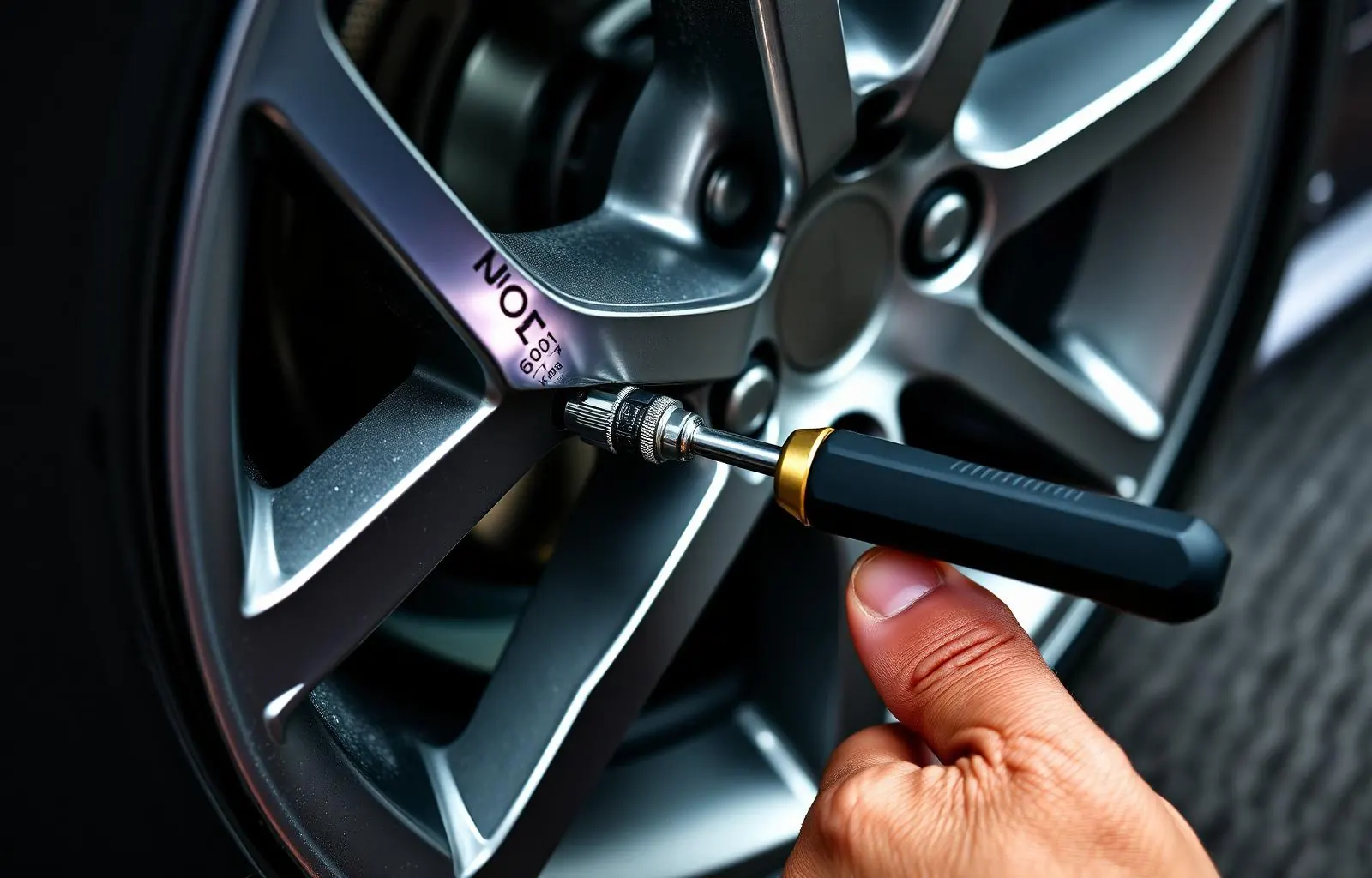
Lost locking wheel nut key: what to do
Locking wheel nuts protect your alloys from theft — until the key itself goes missing. Here's how to sort it without damaging the wheel.
A locking wheel nut key (sometimes called a locking wheel nut adapter) is a uniquely patterned socket that fits one specific locking nut design, used to deter wheel theft. It's small, easily separated from the rest of the toolkit, and genuinely common to lose — which is a problem the moment you need to remove a wheel.
Check these places before assuming it's gone
The boot floor, under the carpet
Most manufacturers store it clipped inside the spare wheel well or next to the jack, not loose in the boot.
The glovebox and door pockets
Some owners move it here for convenience — worth a quick check even if it seems unlikely.
The service history wallet or folder
Previous owners or garages sometimes tuck it in with the documents rather than back in the boot.
With a previous keeper, if the car changed hands recently
If you bought the car used, it's worth a message to the previous owner or dealer — a surprising number of missing keys turn up this way.
Avoid DIY removal methods
Hammering on a universal 'locking nut removal' socket, using pliers, or grinding the nut off can damage the wheel stud, the alloy itself, or the hub — turning a lost-key problem into an expensive repair. These methods exist commercially but are best left to someone experienced with the specific wheel and nut in front of them.
Your options
Order a replacement key by code
Many locking nut manufacturers can cut a replacement from the pattern number stamped on the nut itself, or via your dealer using the vehicle's security details.
Use a specialist extraction tool
A trained fitter can use a purpose-made extraction socket matched to the nut, which grips and removes it without damaging the wheel — this is the safest fallback when no key can be sourced in time.
Have the locking nuts replaced with standard ones
Once the wheel is off, it's common to fit standard nuts (or a fresh set of locking nuts with a new key kept somewhere safe) to avoid the same problem next time.
Frequently asked
Can any garage remove a locking wheel nut without the key?
It needs the right specialist extraction socket for that specific nut pattern, plus care not to damage the alloy or stud — not every workshop carries every pattern, so it's worth checking before you book.
Will removing a locking nut without a key damage my alloy wheels?
Done correctly with a proper extraction tool, no. Done with improvised methods like grips or a hammer and chisel, it very often will — that's the main risk to avoid.
Can I just order a new key online?
If you know the manufacturer and the pattern number stamped on the nut, some suppliers can cut a replacement. If you don't have that information, an extraction is usually faster.
Need mobile tyre help now?
Call or WhatsApp with your location, registration and tyre size — we'll confirm availability and the right next step.

Stranded?
We're already on our way.
Puncture at 3am. Blowout on the M25. Locked wheel nut. Whatever it is, call and tell us where you are and what has happened.
Share your location, registration and tyre size so we can confirm the suitable help.
Message on WhatsApp